Insights
/
Support and migration

After The Replatform: Get Optimal Return On Investment

Learn how to maximize your eCommerce replatforming investment with a smart post-launch strategy covering QA, UX optimization, tech stack growth, and team enablement.
IronPlane Team
IronPlane Team
May 13, 2025
Updated
After The Replatform: Get Optimal Return On Investment
Key takeaways
On this page

Table of Contents

Stabilization: Monitoring and QA Post-Launch

Completing an eCommerce replatforming project is a major milestone, especially for small businesses moving to more sophisticated systems to support growth. However, one of the most common misconceptions is that once the new platform goes live, the hard work is over.

The reality: Launch day is just the beginning. To fully realize the benefits of your new platform and avoid stagnation, your business must commit to continuous improvement and strategic planning.

Even with meticulous planning and thorough testing, no launch is perfect. Post-launch stabilization is your first critical phase:

  • Real-Time Monitoring: Set up tools like New Relic or Sentry to monitor performance, error rates, and system health in real time. Even minor glitches in checkout or site navigation can erode customer trust quickly.
  • Analytics Watch: Use Google Analytics, combined with heatmaps from tools like Hotjar or Clarity, to highlight unexpected user behavior shifts. This helps you spot conversion blockers early.
  • Customer Feedback Loop: Create fast paths for customers to report issues and empower your support team to escalate critical bugs. First-hand reports are invaluable, especially in the first 30–60 days.

This phase should also include a post-launch audit to confirm redirects, meta tags, and indexability—especially if your site structure changed during the replatform.

Pro tip: Use an SEO tool to validate that all old URLs are properly redirected and that your new site maintains (or improves) organic visibility. This is essential for preserving your SEO gains post-replatform.
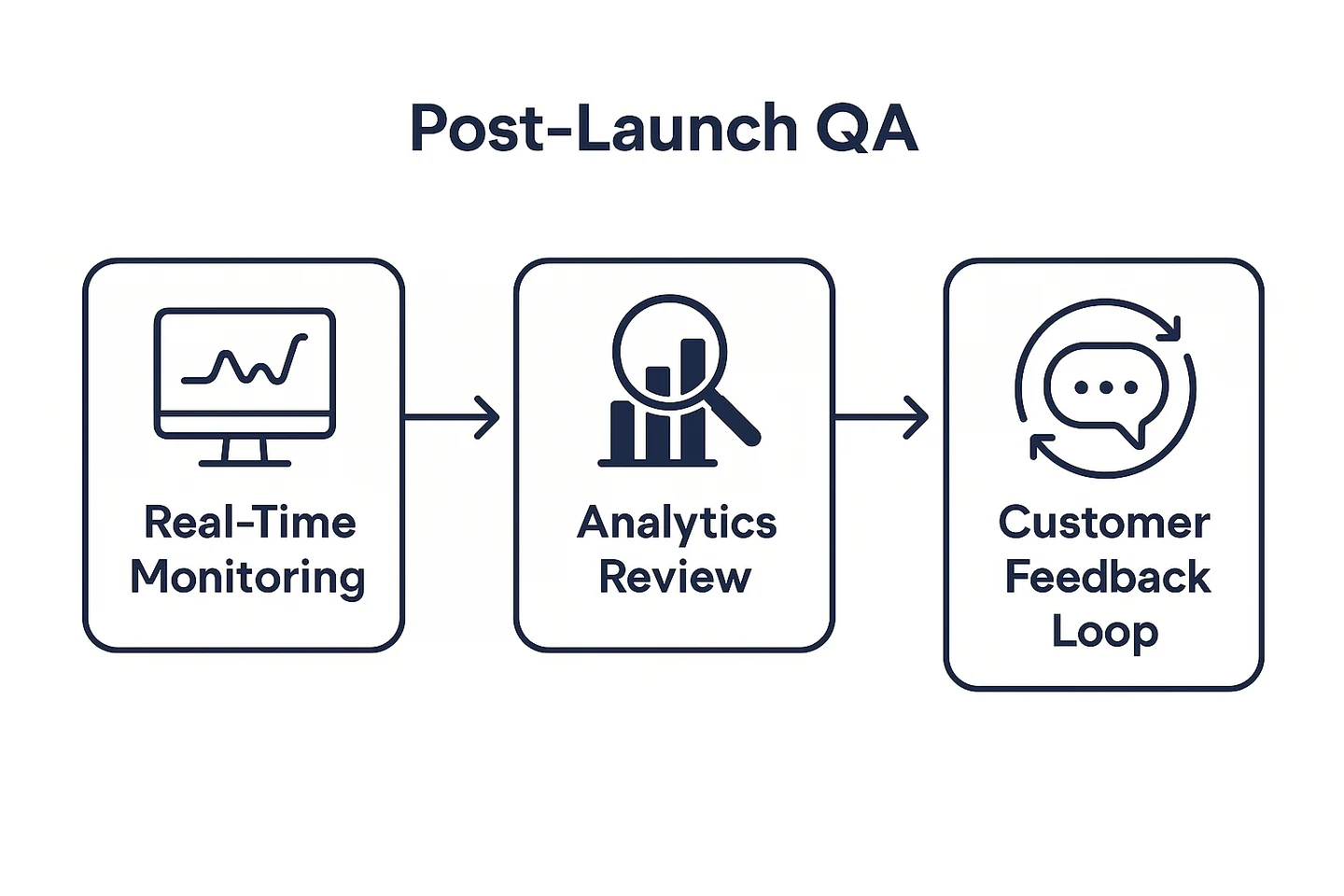
Flowchart illustrating post-launch QA steps: monitoring tools, analytics checks, and feedback loop.

Continuous UX and Conversion Optimization

One of the most overlooked aspects of replatforming is the need to evolve your user experience over time. A new platform often brings modern templates and improved checkout flows, but your users’ needs and behaviors evolve, and so must your site.

  • Behavioral Analytics: Move beyond basic metrics. Funnel analysis, session recordings, and scroll-depth studies uncover micro-frictions that can harm conversions.
  • A/B Testing: Platforms like Shopify Plus and BigCommerce Enterprise offer native or integrated testing tools. Regularly test elements like button placement, product page layouts, and promotional banners.
  • Iterative Improvements: A good eCommerce UX agency can act as an extension of your team, running regular usability reviews and proposing iterative tweaks based on data rather than guesswork.

The goal is to build a culture of continuous experimentation and refinement rather than treating the site as a static asset.
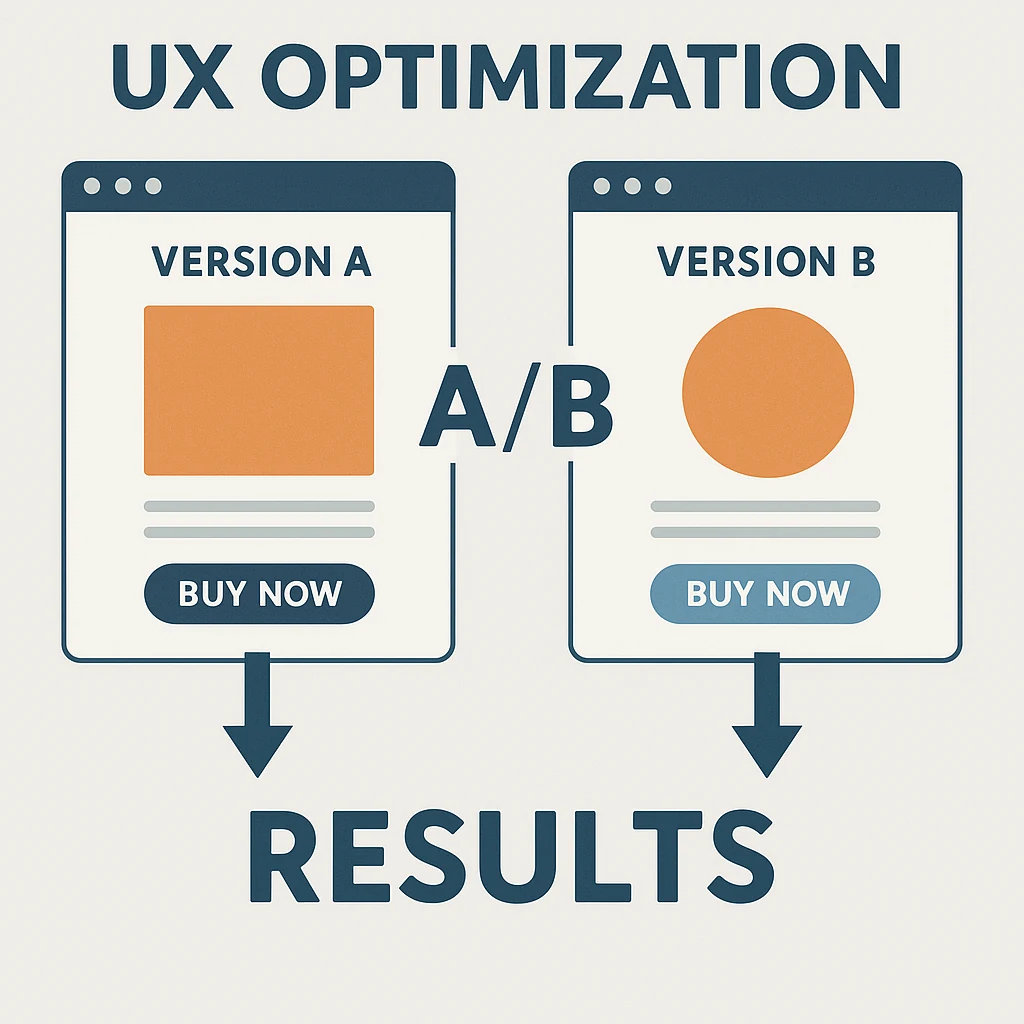
Side-by-side diagram comparing A/B testing variations on an eCommerce site.

Expanding and Integrating Your Tech Stack

A successful replatform usually opens doors for enhanced integrations that may have been too complex on your old platform. Now is the time to:

  • Strengthen CRM Integration: Ensure tight sync between your eCommerce data and your CRM to fuel segmentation and personalized marketing.
  • Automate Marketing Workflows: Leverage tools like Klaviyo, Omnisend, or HubSpot to automate abandoned cart recovery, win-back campaigns, and tailored promotions.
  • Improve Operational Efficiency: Connect to ERP or inventory systems in ways that reduce manual processes, minimize errors, and provide real-time data to your team.

While you may have launched with only core integrations to go live faster, expanding these connections post-launch builds the foundation for long-term efficiency and scalability.

Key consideration: If you’re using Magento Open Source or Adobe Commerce, your development partner should guide you on the best ways to leverage platform-native APIs for maximum flexibility and performance.
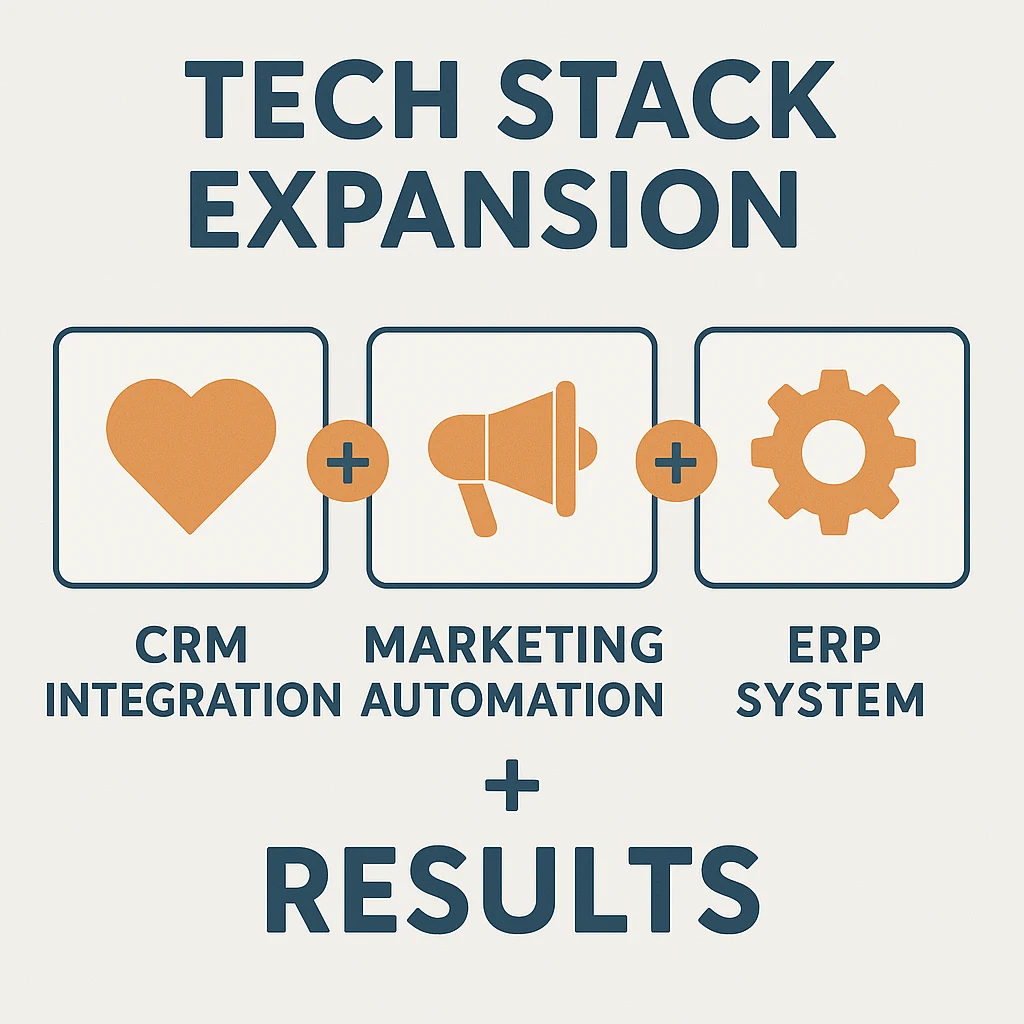
Diagram showing interconnected tech stack for eCommerce: CRM, ERP, marketing automation, and inventory management.

Future-Proofing: Plan for Scalability and Change

Your business will change—whether that’s new product lines, international expansion, or B2B eCommerce capabilities. The real power of replatforming is positioning yourself to handle that growth without another rebuild. Savvy business owners should:

  • Regularly Review Platform Limits: Know your platform’s ceilings (e.g., API rate limits, SKU counts, multi-store capabilities). Anticipate when these could become constraints.
  • Stay Aligned with Roadmaps: Keep an eye on your platform’s development roadmap. Are new features addressing your anticipated needs, or do you need to consider custom development?
  • Security and Compliance: Commit to regular security reviews, especially if you store sensitive customer data. PCI DSS compliance, MFA enforcement, and security patching must become routine.

The most successful businesses view their platform as a dynamic ecosystem, one that requires ongoing maintenance and strategic planning.
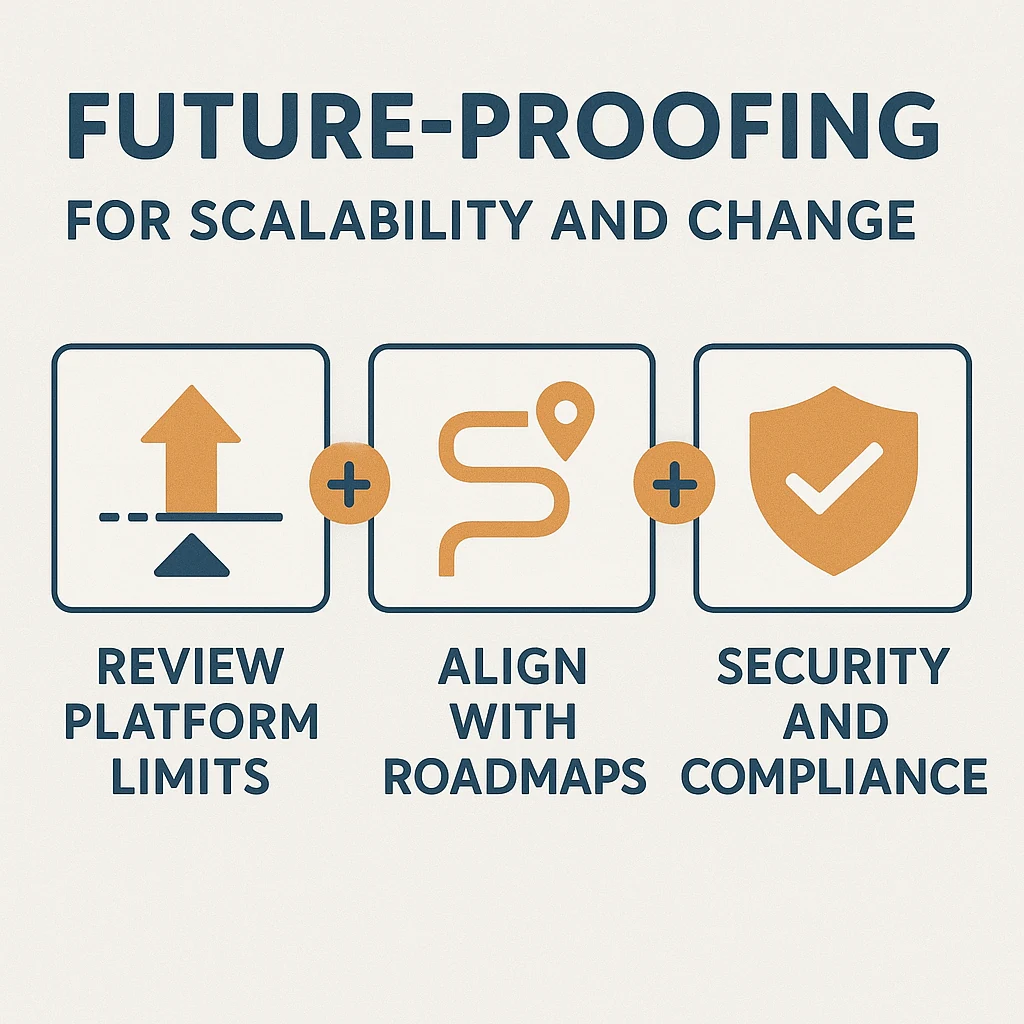
Timeline graphic illustrating growth milestones and platform scaling checkpoints.

Team Enablement: Build Internal Expertise

The human side of post-launch success cannot be overstated. Your platform’s potential is only as strong as the people managing it. Consider:

  • Cross-Training: Don’t let platform knowledge reside with just one team member. Train marketing, operations, and customer service teams to leverage new platform capabilities effectively.
  • Documentation: Maintain clear internal documentation of processes, platform customizations, and integration touchpoints. This prevents bottlenecks and ensures continuity if staff changes.
  • Strategic Partnerships: Cultivate a long-term relationship with your eCommerce UX agency or development partner. Regular check-ins, health audits, and forward planning sessions can surface opportunities you might miss internally.

Helpful reminder: Ongoing collaboration with a trusted development partner can help you stay ahead of platform updates, optimize for performance, and keep your site aligned with evolving business goals.
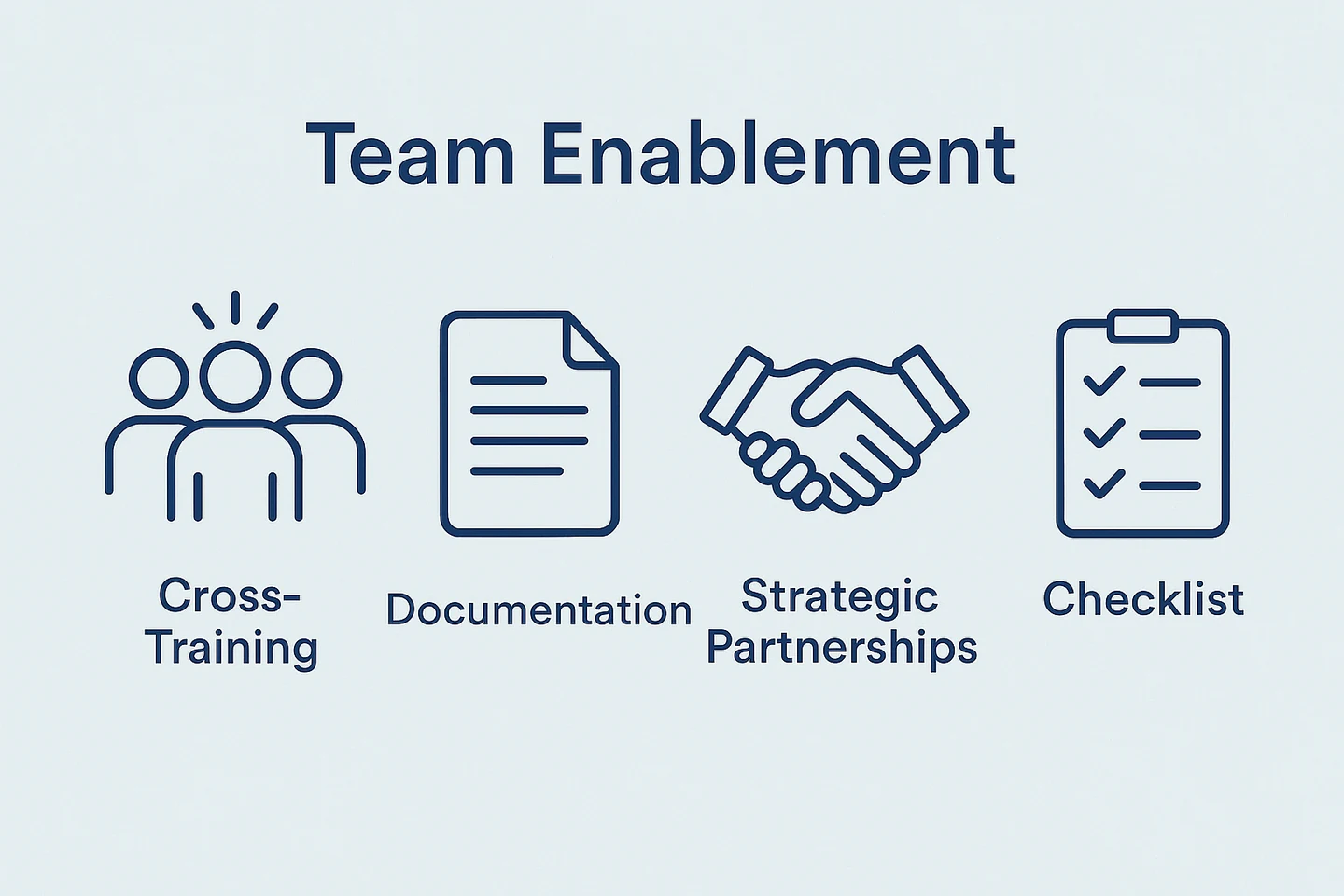
Illustration of an eCommerce team with icons representing training, documentation, and strategic partnership.

Key takeaway: Replatforming is not a one-and-done project. For small business eCommerce owners who have invested time and resources into a new platform, long-term success depends on strategic post-launch action. From stabilization and optimization to tech stack expansion and team enablement, continuous improvement is the key to staying competitive.

Whether you work with an eCommerce UX agency or manage in-house, the question should always be: what’s next?

IronPlane Team
IronPlane
Written by the IronPlane team, drawing on more than fifteen years of Magento and Adobe Commerce projects.

Questions this post answers

On this page
Related service
eCommerce Migration
Migrate from Shopify, BigCommerce or Magento 1 onto ISKRA, built on Magento, with SEO and data carried across. Builds from $25,000, financing available.
See the service
eCommerce Consulting
Where this leads

eCommerce Migration

Migrate from Shopify, BigCommerce or Magento 1 onto ISKRA, built on Magento, with SEO and data carried across. Builds from $25,000, financing available.

From store to scalable.
We make Magento perform.

The eCommerce agency behind 100+ complex projects, ready to build yours.

More from Insights

ecommerce-platform-migration
ecommerce-consulting